

Color! Who Loves Color?
Color What Does it Mean?
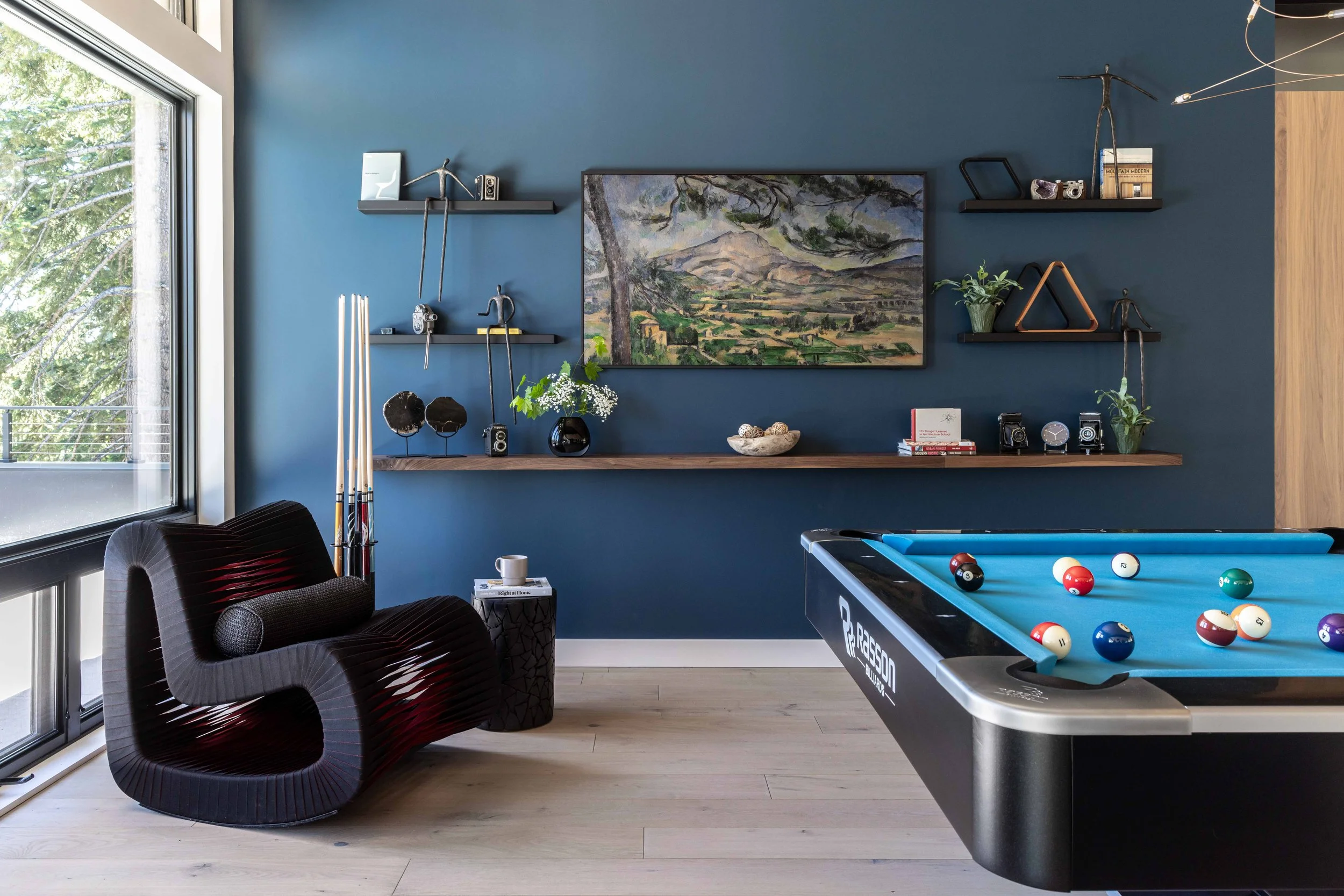
Interior Designer: Emily Roose of Emily Roose Interiors
Photographer: Kat Alves
So how do you feel about color? Love it? Hate it? Terrified of it? Crave it? Did you know that there is psychology in color? When I started design school, color theory class ended up being one of my absolute favorite classes. Color is so amazing, exhilarating, and fascinating. Plus, you can change out with your mood or as your tastes and seasons change. I am sure you have heard people say they think yellow is a happy color, gray is gloomy, or red is aggressive. Well keep reading and I will give the psychology behind the most popular colors.
Yellow: though it is the color we associate with the sun, happiness, warmth, and joy it is also an argumentative color. People tend to fight more in yellow rooms and baby’s cy and have a hard time sleeping in yellow rooms. Have you noticed that several fast-food chains have two primary colors? Yellow and red. Yellow makes people uncomfortable to the point that they come in and want to eat quickly and leave. Hence fast food. Keep people moving and flowing through.
Red: romance, passion, anger oh my! Red is an intense color. Why is it paired with yellow at fast-food restaurants you may ask? It makes you hungry! So red and yellow combined makes you hungry and then makes you want to eat quickly and leave. Red can also mean strength, confidence, good luck, and fertility. On the opposite side it can mean war, sacrifice, fire, and blood.
Brown: Earth, dirt, wholesomeness, strength, and reliability. On the opposite side it can mean loneliness, sadness, isolation, and devoid of life like a desert. Brown reminds us of nature so it can have a grounding to nature feeling and is a great neutral color that pairs most any color.
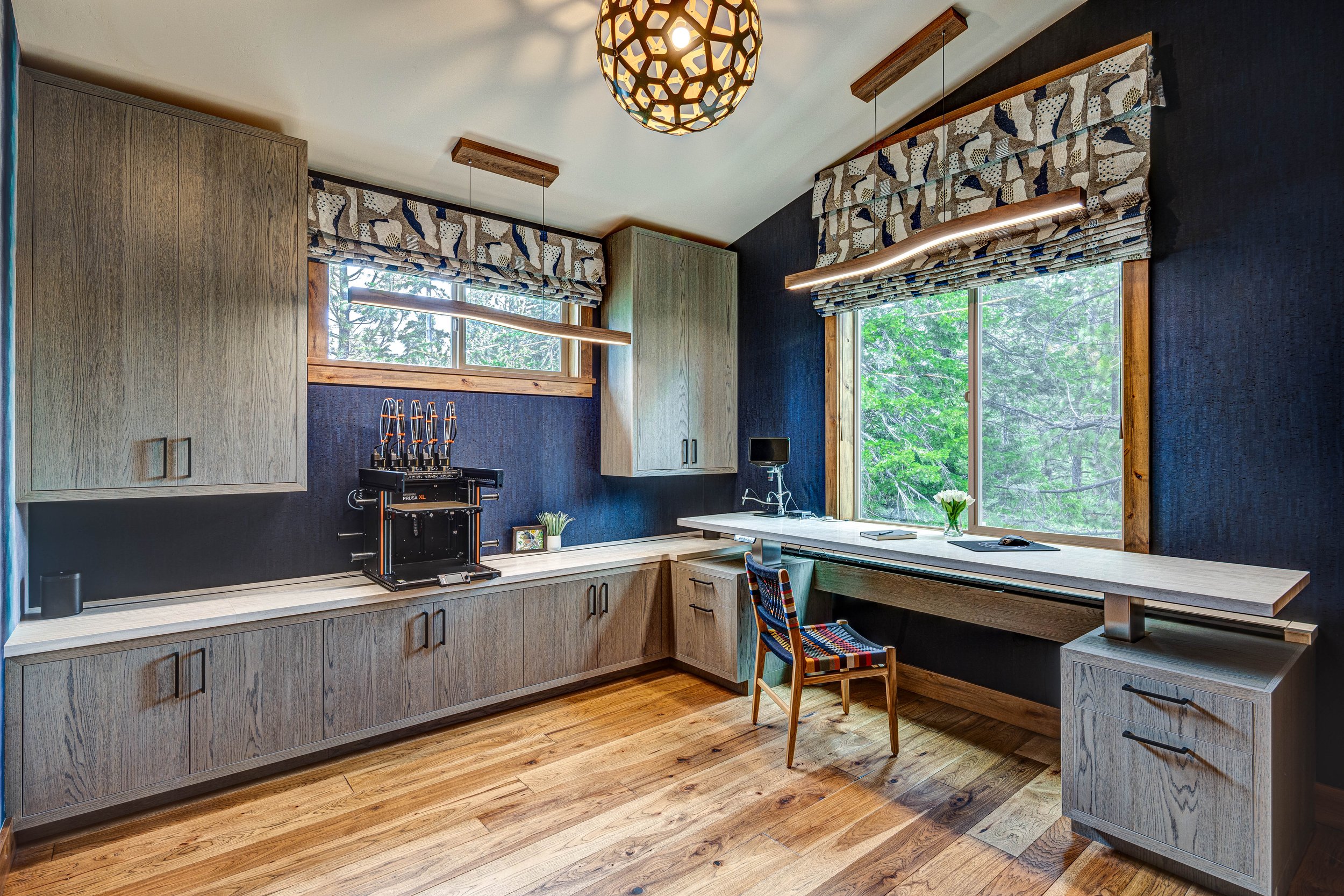
Interior Designer: Emily Roose of Emily Roose Interiors
Photographer: Rob Retting
Eco-friendly and healthy home office with lots of vibrant and moody color
4. Blue: Calm, sky, water, freedom, intuition, imagination, inspiration, and sensitivity. It can also represent intelligence, faith, trust, wisdom, sincerity, loyalty, depth, confidence, serene and stability. On the other hand, blue can feel icy, cold, sadness as in feeling blue, not appetizing, lonely, and forlorn. There was a trick when you could replace the light bulb in your refrigerator. If you replaced your light bulb with a blue bulb then it would help with appetite suppression. Really! Blue is the color of mold. So psychologically when you opened the fridge your brain told you everything in the fridge was bad so not to eat it so you do not get food poisoning. One way to kick start a weight loss plan.
5. Green: The color of plants, nature, money, prosperity, renewal, abundance, refreshing, and tranquil. On the negative side green with envy, jealousy, or referring to someone with a lack of experience are also references to the color green. Green can also have other positive effects on thinking and relationships as well as it is believed to relieve stress and help those to heal so it is often used in medical facilities.
6. Purple: This color was a hard color to make for a long time and very expensive, so it was reserved for royalty. So, purple is associated with royalty, luxury, nobility, power, and ambition. Dignity, wisdom, creativity, extravagance, grandeur, independence, imagination, pride, enlightenment, rarity, peace, mystery, and even magic. In some cultures, purple can signify death and mourning, but for the most part purple has numerous positive representations.
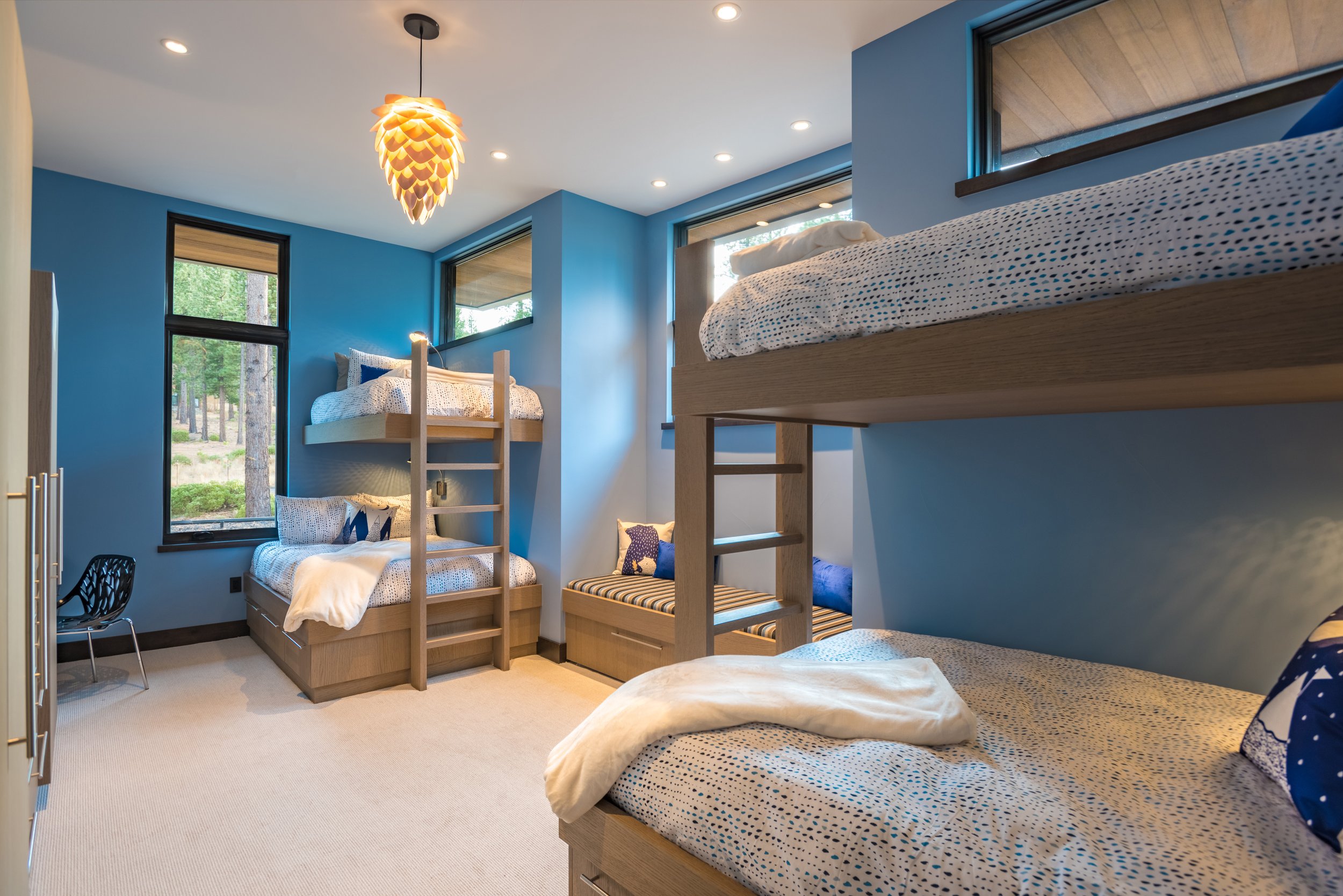
7. Orange: It is also associated with happiness because it is a bright color, but sometimes can be overpowering if it is really intense. It is also considered uplifting, optimistic, positive, energetic, attention grabbing, warm, luxurious, prestigious, youthful and creative. Opposite feelings are hopelessness, deceit, impatience, and pride. If paired with blacks and browns it can bring feelings of sadness, decay, and death.
8. Black: It is often associated with death, mourning, sadness, anger, aggression, fear, evil, magic, and darkness, but it can also mean elegance, authority, formality, intelligence, prestige, sophistication, wealth, restraint, and power.
9. White: Purity, perfection, honesty, harmony, cleanliness, beginnings, innocence, blankness, minimalism, holiness, peace, prophecy, wisdom, judgement, healing, power, and eternity. On the flip side white can convey cold, bland, emptiness, and sterile. It can also provide a sense of quietness and help improve concentration.
Throughout history and spanning across the globe and different cultures colors have different meanings or hold special places in religion, political, and social settings. Colors cross boundaries with different emotions, mental health, and physical health. So, when selecting colors for your home consider the feelings you want to evoke. Who knew colors could have so many in-depth meanings.
