

Common Mistakes Homeowners Make During a New Construction Project (And How to Avoid Them)
Building a custom home is one of the most exciting investments a family can make—but it is also one of the most complex.
Many homeowners begin the process expecting to make a few straightforward decisions along the way. In reality, a custom home requires thousands of decisions throughout the design and construction process. Every choice—from the floor plan and lighting to cabinetry details, plumbing fixtures, and even door hardware—has the potential to impact functionality, construction costs, scheduling, and ultimately how your home feels to live in for years to come.
After more than 16 years working alongside architects, custom home builders, design studios, and homeowners, I've seen many of the same challenges arise time and time again. The good news is that most of them are entirely avoidable with thoughtful planning, experienced guidance, and the right project team.
Here are some of the most common mistakes homeowners make during a new construction project—and how to avoid them.
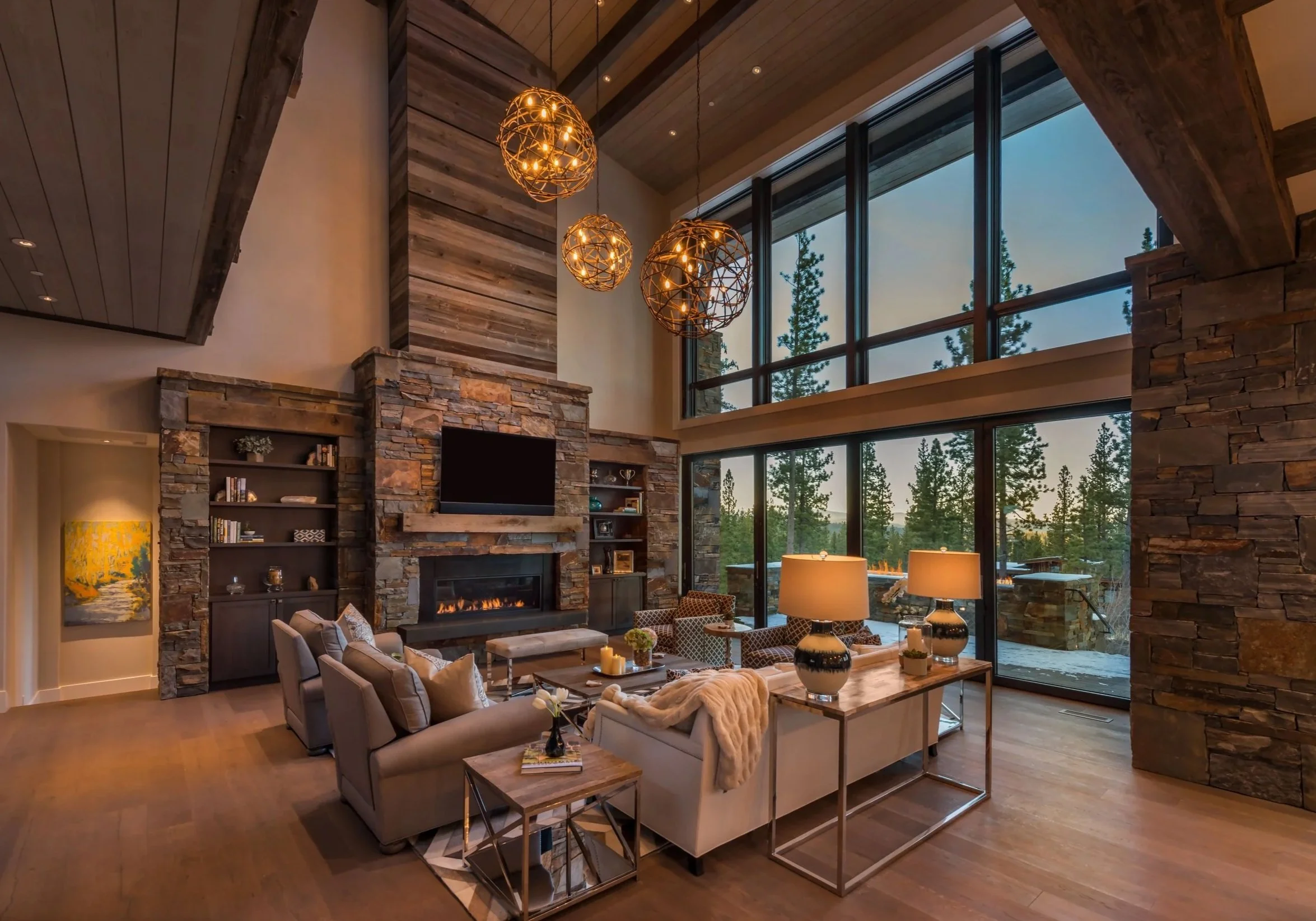
Dunsmuir Way Great Room-An Award-Winning New Construction Custom Home Designed by Emily Roose Interiors
1. Waiting Too Long to Hire an Interior Designer
One of the biggest misconceptions is that interior designers are brought in after construction begins or once it's time to select furniture.
The most successful custom home projects involve the interior designer early in the design process—preferably while the architectural plans are still being developed.
Early collaboration allows the project team to coordinate room layouts, furniture planning, cabinetry, lighting, electrical locations, architectural detailing, ceiling treatments, and countless other decisions before construction begins.
This is also the time to think beyond finishes and focus on how you actually live every day. What frustrations does your current home have? Where does storage fall short? How do you entertain? How does your family move through the home? Addressing these questions early allows the design to support your lifestyle rather than forcing you to adapt to the house.
Making these decisions on paper is significantly easier—and far less expensive—than making changes once framing is underway. Change orders, relocating walls, modifying plumbing, and other construction changes increase costs, disrupt scheduling, and often delay the project's completion.
2. Designing for Today Instead of the Next Twenty Years
It's easy to focus on current trends or immediate needs, but a custom home should support your lifestyle for years to come.
Consider how your family may evolve. Will children grow into teenagers? Will parents eventually visit more often? Could a home office become a guest suite? Would aging in place become important later?
Thoughtful planning creates homes that remain functional, beautiful, and adaptable long after construction is complete.
3. Underestimating the Number of Decisions Required
Many homeowners are surprised by just how many selections must be made during a custom home project.
Beyond flooring, countertops, paint colors, and cabinetry, you'll also be selecting:
Plumbing fixtures
Decorative lighting
Cabinet hardware
Interior doors
Door hardware
Trim profiles
Stair details
Fireplace designs
Tile layouts
Wall and ceiling finishes
Architectural details
Custom millwork
Appliances
Window and door styles
Window treatments
Furniture layouts
Electrical locations
Technology integration
HVAC registers and grilles
Cabinet interior accessories
Exterior materials and finishes
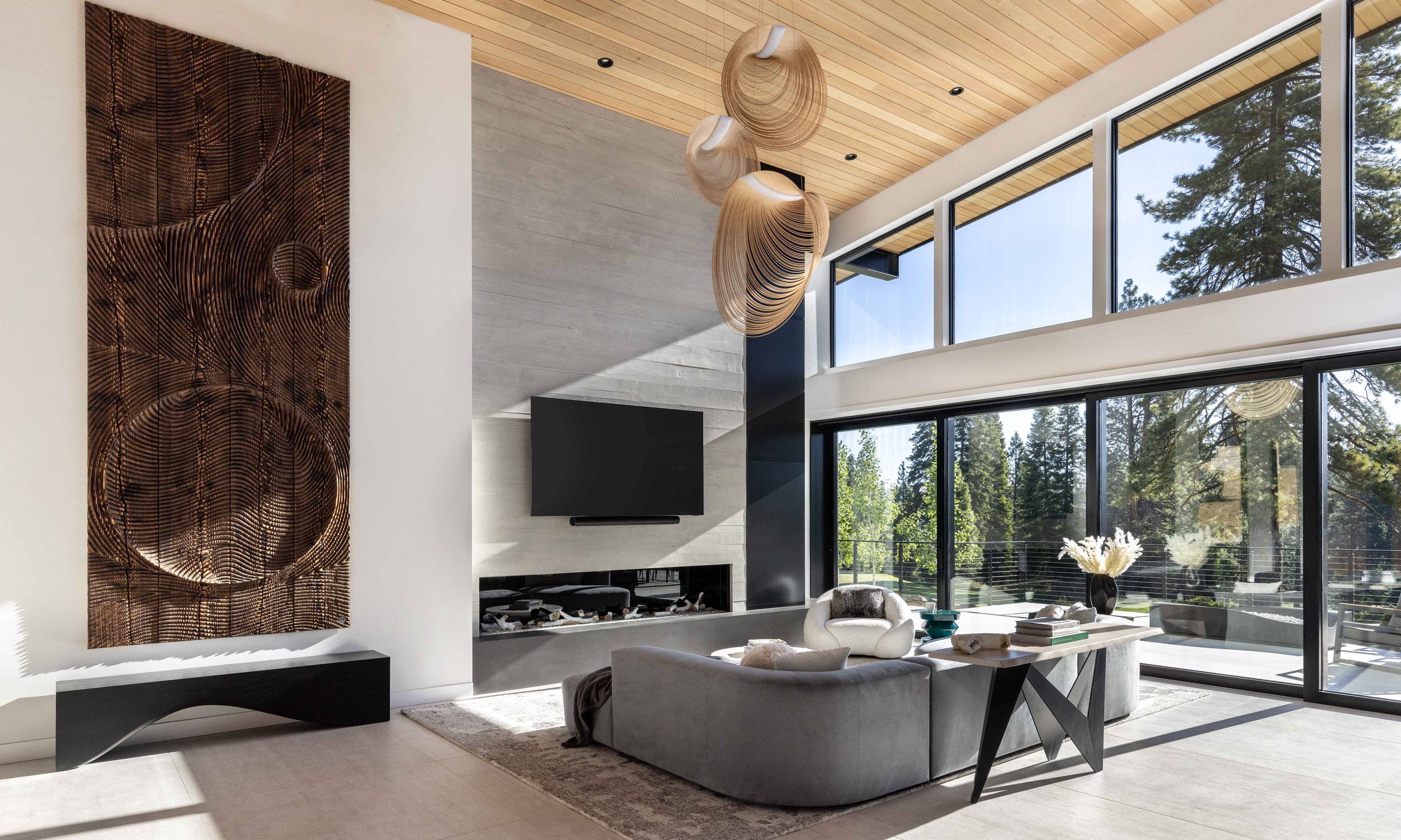
Brae Court Great Room-An Award-Winning New Construction Custom Home Designed by Emily Roose Interiors
Without an organized process, these decisions can quickly become overwhelming and create unnecessary stress. An experienced interior designer helps organize these selections into a logical process, ensuring every decision supports the overall vision for the home.
4. Making Selections Without Seeing the Big Picture
Choosing individual materials isn't difficult.
Choosing hundreds of materials that all work together is.
A countertop may look beautiful on its own but compete with the flooring. A tile may be stunning until it's installed beside the cabinetry. Lighting fixtures may feel perfect individually but inconsistent throughout the home.
Rather than evaluating each selection independently, every decision should support the home's overall architectural vision. When every material, finish, and detail is considered together, the result is a cohesive home that feels intentional rather than pieced together.
5. Forgetting About Furniture Until the End
Furniture planning should never be an afterthought.
Room dimensions, window locations, fireplaces, electrical outlets, lighting, and circulation paths are all influenced by how the space will ultimately be furnished.
Planning furniture early often results in better room proportions, improved functionality, more comfortable traffic flow, and a more cohesive finished home.
6. Overlooking Storage
Beautiful homes also need to work beautifully.
Thoughtful storage planning is one of the most overlooked aspects of custom home design. Kitchens, pantries, mudrooms, laundry rooms, bathrooms, closets, garages, and utility spaces all benefit from customized storage solutions designed specifically for how your family lives.
Well-designed storage reduces clutter, improves organization, and makes everyday life easier long after move-in day.
7. Prioritizing Budget Over Value
Every project has a budget, and thoughtful budgeting is essential.
However, reducing costs in the wrong areas can often create expensive regrets later.
Investing in quality cabinetry, well-designed lighting, durable materials, functional layouts, and timeless architectural details often provides greater long-term value than chasing short-term savings.
Knowing where to invest—and where it's appropriate to simplify—is one of the most valuable benefits an experienced design professional brings to a project.
8. Not Understanding the Difference Between Cost and Value
Many homeowners compare products based solely on price.
However, the least expensive option isn't always the most economical over the life of the home.
Quality materials, thoughtful construction details, durable finishes, and products designed for long-term performance often reduce maintenance, minimize repairs, and avoid costly replacements in the future.
An experienced design team helps homeowners understand where investing more provides meaningful long-term value—and where it makes sense to save without compromising quality or functionality.
9. Making Last-Minute Changes During Construction
Change orders happen, but frequent late-stage changes can affect budgets, schedules, and coordination across multiple trades.
The more decisions that are finalized before construction begins, the smoother the building process becomes.
Comprehensive planning creates greater confidence for homeowners while helping builders, architects, and trades execute the project more efficiently.
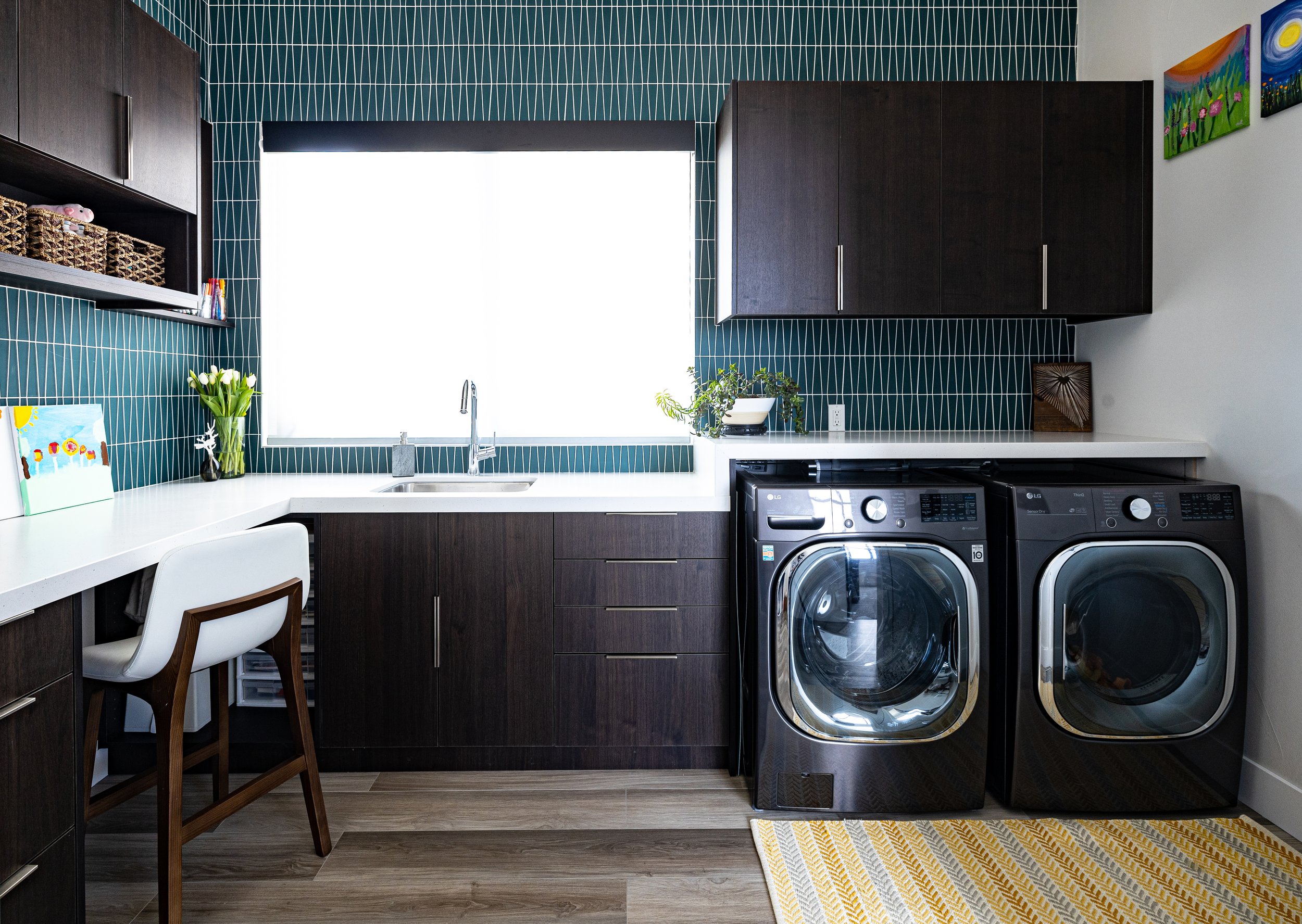
Chalk Ridge Laundry & Craft Room-An Award-Winning New Construction Custom Home Designed by Emily Roose Interiors
10. Choosing Trends Over Timeless Design
Design trends will always come and go.
A custom home should feel personal rather than trendy.
Natural materials, thoughtful architectural details, balanced proportions, quality craftsmanship, and layered textures create homes that remain beautiful regardless of changing design trends.
Rather than asking what is popular today, consider what you'll still love ten or twenty years from now.
11. Trying to Manage Everything Alone
Building a custom home is a full-time coordination effort.
Architects, builders, interior designers, landscape architects, structural engineers, cabinet companies, vendors, trades, lighting specialists, appliance suppliers, fabricators, installers, and countless others all play important roles throughout the project.
An experienced interior designer serves as the bridge between the homeowner and the project team. We collaborate with architects, builders, engineers, landscape architects, cabinet shops, lighting specialists, trades, and vendors to ensure decisions remain coordinated throughout the project.
When unexpected challenges arise—as they inevitably do—we help evaluate solutions, minimize costly mistakes, and keep the project moving forward while guiding homeowners through the thousands of decisions required before and during construction.
The Value of Planning Ahead
The most successful custom homes rarely happen by accident.
They are the result of thoughtful planning, clear communication, experienced collaboration, and a shared vision between the homeowner and the project team.
Building a home should be an exciting and rewarding experience—not an overwhelming one. With the right professionals involved early, homeowners can move through the process with greater clarity, confidence, and peace of mind while creating a home that truly reflects how they want to live.
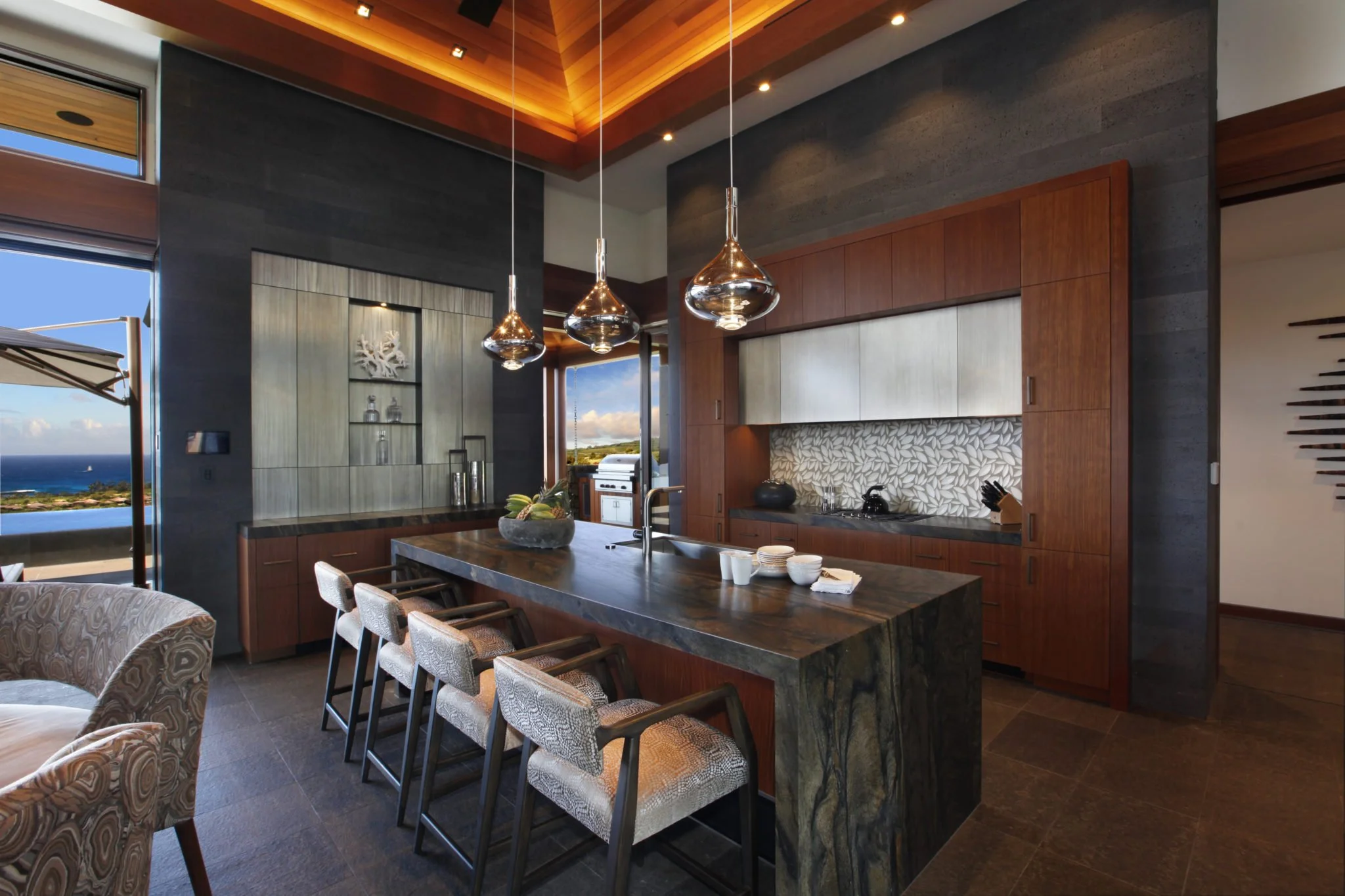
Kahalawai Kitchen-Custom New Construction Home in Hawaii by Emily Roose under Tenure/on staff at Kelly and Stone Architects
Planning a New Construction Home?
Whether you're interviewing architects, selecting a builder, or reviewing your first set of plans, bringing an experienced interior designer into the process early can help you make informed decisions, avoid costly missteps, and create a home that feels cohesive from the inside out.
At Emily Roose Interiors, we specialize in luxury custom homes, major renovations, and design advisory services for homeowners throughout Franklin, Brentwood, Nashville, and Middle Tennessee. By collaborating with homeowners and the entire project team from the earliest stages, we help transform complex projects into organized, enjoyable, and successful building experiences—creating homes that are as functional as they are beautiful.
