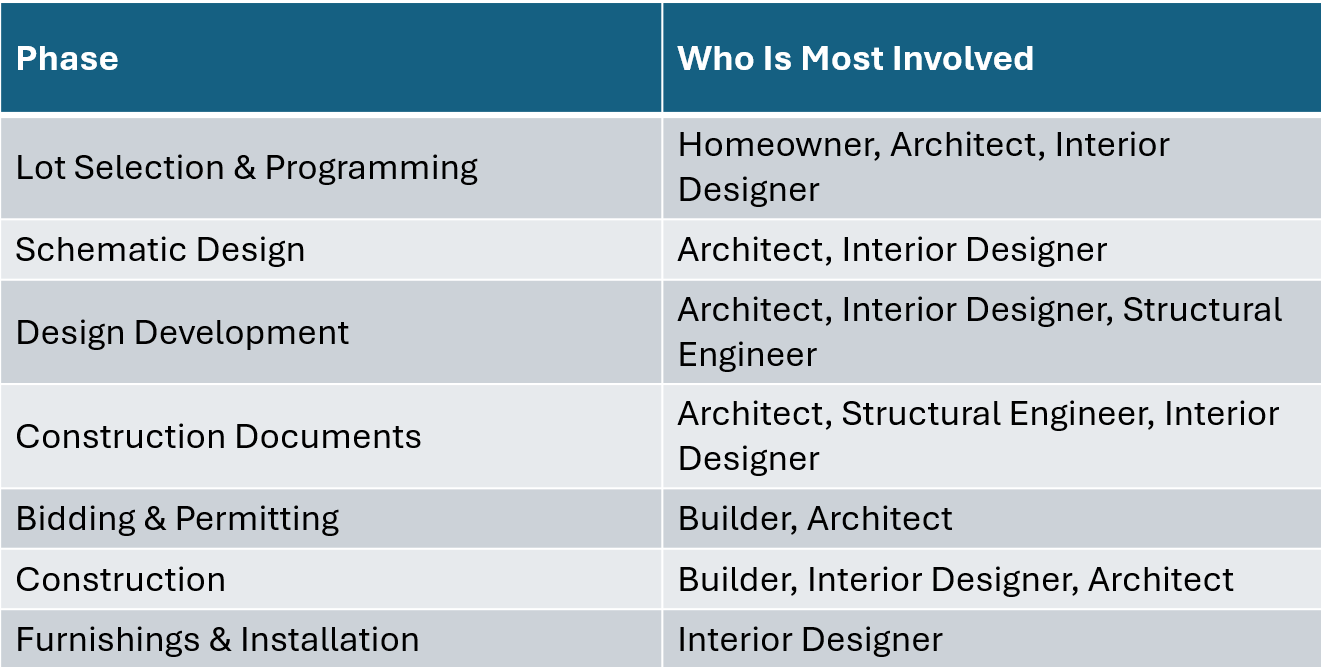
When Should You Hire an Interior Designer for a New Construction Home?
One of the biggest misconceptions about interior designers is that we're brought in at the end of a project to select furniture, pillows, and accessories.
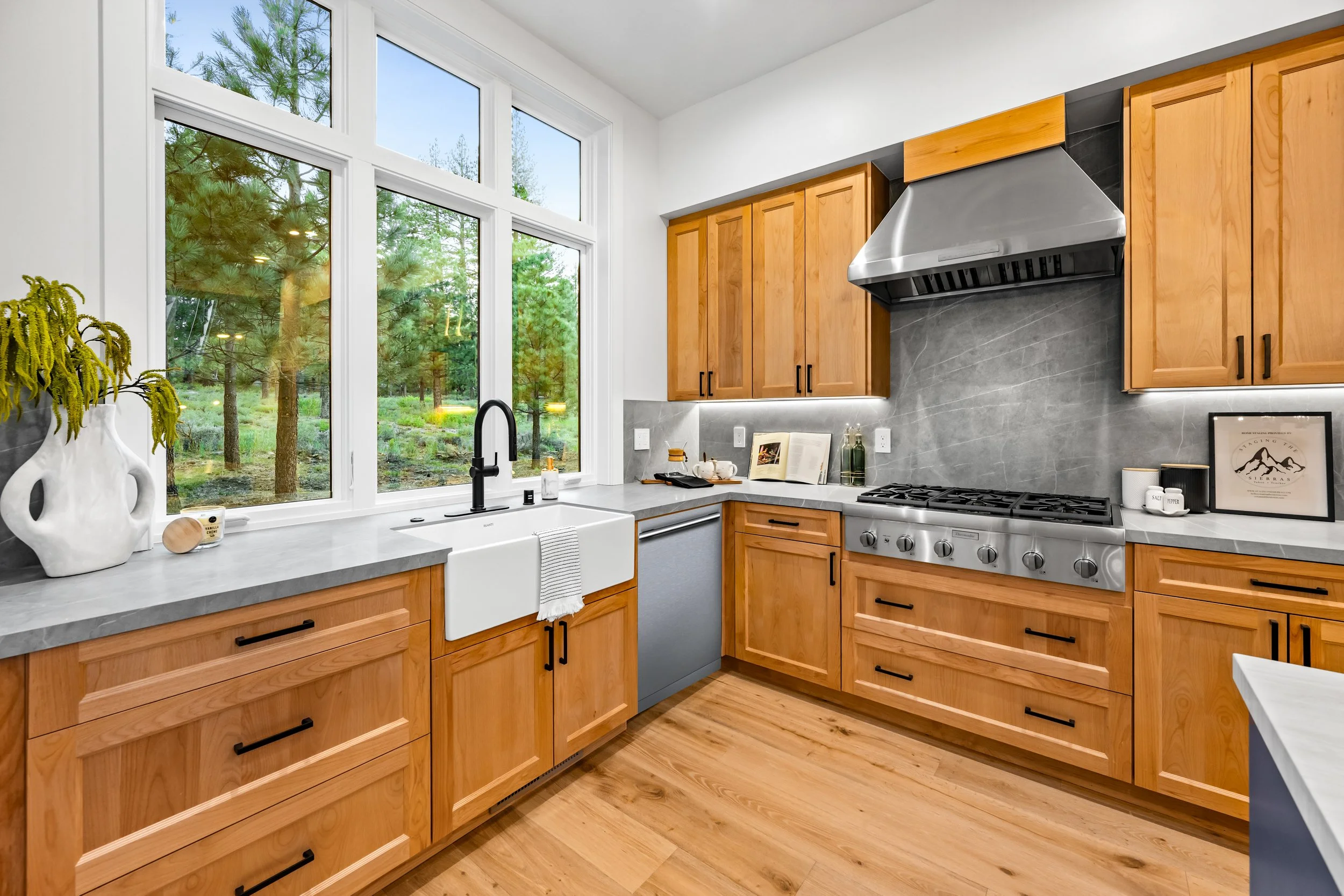
In reality, the most successful custom homes begin with the interior designer involved long before construction starts.
Having worked within architecture firms, custom home builders, luxury design showrooms, and interior design studios for more than 16 years, I've seen firsthand how early collaboration leads to better decisions, fewer costly surprises, and more successful projects.
An interior designer is one of the key professionals who helps homeowners navigate the thousands of decisions required throughout a new construction project. From floor plan reviews and architectural details to finish selections, lighting, cabinetry, and custom millwork, our role is to ensure every decision works together to create a cohesive, functional, and beautiful home.
The earlier your interior designer joins the project team, the greater the opportunity to improve both the design and the building process.
Before the Floor Plans Are Finalized:
One of the best times to hire an interior designer is while the architectural plans are still being developed.
Although architects are experts in designing the structure of a home, interior designers evaluate how the home will actually be lived in. We consider furniture layouts, circulation, storage, lighting placement, kitchen functionality, bathroom layouts, and how each room connects to the next.
We also consider how you and your family live every day—how you entertain, cook, work from home, raise children, age in place, and move through the home—to ensure the design supports both your current lifestyle and your future needs.
Making adjustments on paper is significantly easier—and less expensive—than making changes once construction begins.
Once construction begins, even seemingly small design changes can result in costly change orders, additional labor, material waste, and schedule delays. Those changes often affect multiple trades, creating a ripple effect that impacts both the construction timeline and the overall project budget.
During the Architectural Design Phase:
As the design develops, your interior designer works closely with the architect and builder to coordinate details that often have a major impact on the finished home.
This may include:
Ceiling treatments and architectural details
Fireplace designs
Built-in cabinetry
Custom millwork and architectural built-ins
Window and door proportions
Lighting concepts
Kitchen and bathroom layouts
Specialty spaces such as wine rooms, libraries, home offices, wellness rooms, golf simulators, and home theaters
These elements are most successful when considered together rather than independently.
Before Selecting Finishes and Materials:
A custom home requires hundreds—often thousands—of individual decisions and finish selections.
Flooring, cabinetry, countertops, plumbing fixtures, tile, lighting, cabinet and door hardware, stair components, paint colors, wall and ceiling treatments, doors, windows, window coverings, appliances, and specialty finishes all need to work together as one cohesive design rather than a collection of individual products.
Rather than making selections one appointment at a time, your interior designer develops a comprehensive vision so every decision supports the overall design of the home while balancing aesthetics, durability, maintenance, functionality, and budget.
Throughout Construction:
The interior designer's role continues well after selections are complete.
During construction, we review shop drawings, answer contractor questions, visit the job site, coordinate with trades, and help resolve unforeseen challenges that naturally arise during the building process.
Having someone oversee the design intent throughout construction helps reduce costly revisions and keeps countless small decisions aligned with the original vision.
Interior designers often serve as the bridge between the homeowner, architect, builder, and trades. We help translate design decisions into construction language, answer questions as they arise, and keep communication moving so decisions are made efficiently and the project continues progressing toward completion.
Before Move-In:
Long before construction is complete, the focus shifts toward furnishing and styling the home.
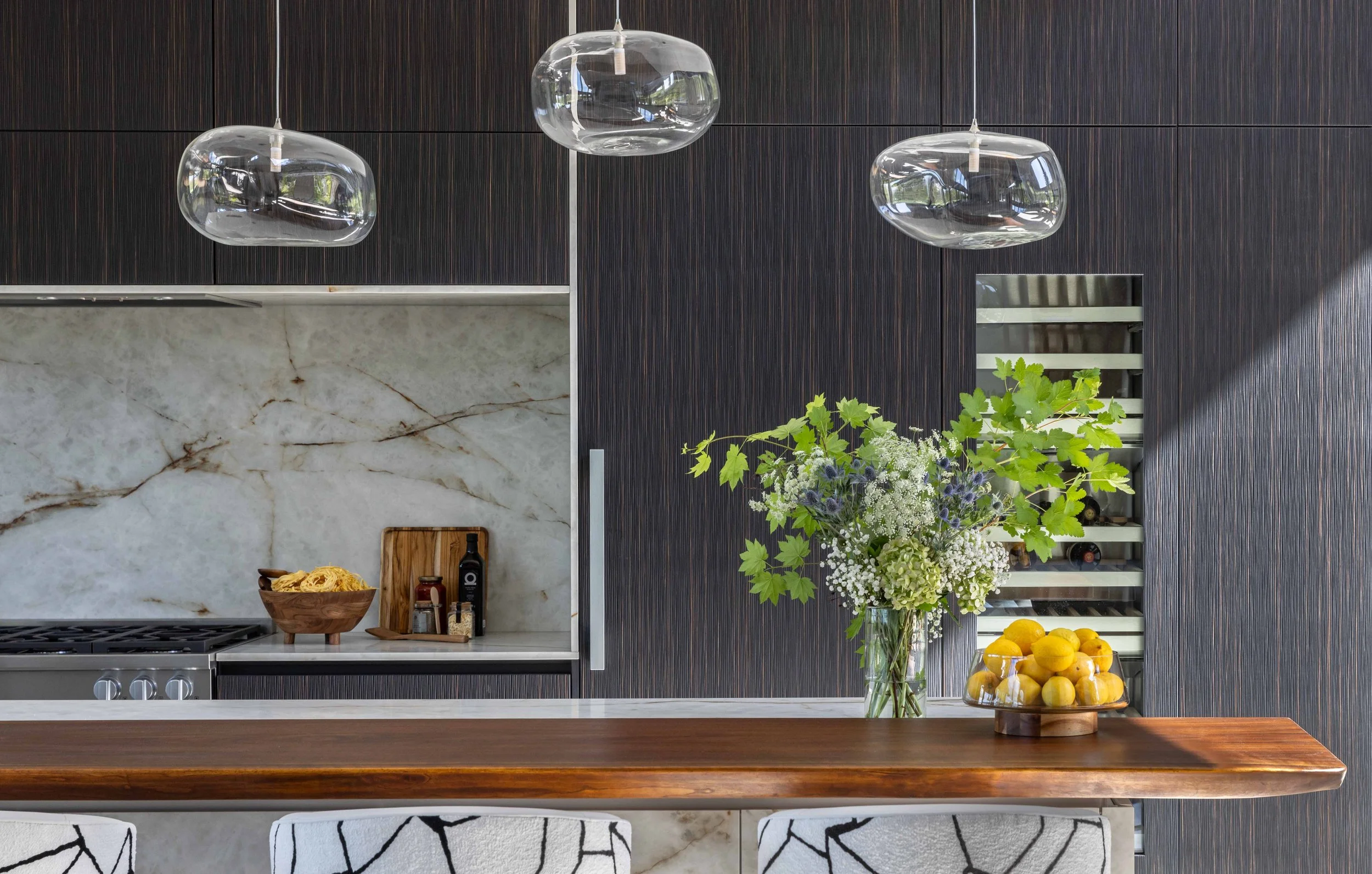
Furniture plans, custom furniture design, window treatments, rugs, artwork, accessories, and final styling complete the project and ensure the home feels intentional rather than unfinished.
Because the furnishings were considered from the beginning, they fit the architecture instead of feeling like an afterthought.
Long before move-in day, custom furnishings, lighting, rugs, artwork, and window treatments often need to be ordered—or in many cases custom designed—to account for manufacturing and shipping lead times. Planning ahead allows the home to feel complete shortly after move-in rather than waiting months for the final pieces to arrive.
Who Is on Your New Construction Team?
Building a custom home is a collaborative effort involving a number of professionals, each bringing specialized knowledge to the project. While their responsibilities occasionally overlap, each team member plays a unique role in creating a successful home.
Architect:
The architect designs the overall structure of the home, develops the floor plans, creates the exterior appearance, and coordinates the building's layout and construction documentation. They ensure the home is structurally sound, functional, and meets local building codes.
Interior Designer:
The interior designer focuses on how the home functions, feels, and supports your everyday life. We coordinate space planning, architectural details, finish selections, lighting, cabinetry, custom millwork, furnishings, and countless design decisions while collaborating closely with the architect, builder, and trades to ensure every element works together as one cohesive vision.
Structural Engineer:
Many custom homes also require a structural engineer, particularly when the design includes large spans, expansive windows, cantilevers, retaining walls, or other unique structural features. The structural engineer ensures the home can safely support these architectural elements while meeting engineering requirements.
Builder / General Contractor:
The builder or general contractor manages the construction process, coordinates subcontractors, schedules inspections, oversees budgets, and brings the design to life. They work closely with the architect and interior designer to ensure the project is built according to the plans and specifications.
Landscape Architect:
The landscape architect designs the outdoor environment, including grading, planting plans, hardscape, outdoor kitchens, pools, water features, and exterior living spaces. When coordinated early, the outdoor spaces feel like a natural extension of the home's architecture.
Specialty Consultants:
Depending on the project, additional professionals may also be involved, including lighting designers, kitchen designers, audio/video consultants, civil engineers, pool designers, arborists, energy consultants, and others whose expertise contributes to the success of the home.
Interior Designers Are More Than Furniture and Pillows:
Today's interior designers are involved in far more than decorating.
We collaborate with homeowners, architects, structural engineers, builders, landscape architects, cabinet makers, lighting specialists, engineers, consultants, and trades throughout the life of a project. Our role is to balance beauty, functionality, technical coordination, durability, and long-term livability while helping homeowners make confident decisions at every stage.
When brought into a project early, an interior designer doesn't simply make a home look beautiful. We help shape how it functions, how durable it will be over time, how it supports your lifestyle every day, and ultimately how successfully the entire project comes together.
At Emily Roose Interiors, we believe great homes are the result of thoughtful collaboration. With more than 16 years of experience working within architecture firms, custom home builders, luxury design showrooms, and interior design studios, we guide homeowners through each stage of the design and construction process—from the earliest planning conversations through the final installation—creating homes that are both timeless and deeply personal.