

Warm Organic Modern Interior Design: The New Luxury Trend for 2026
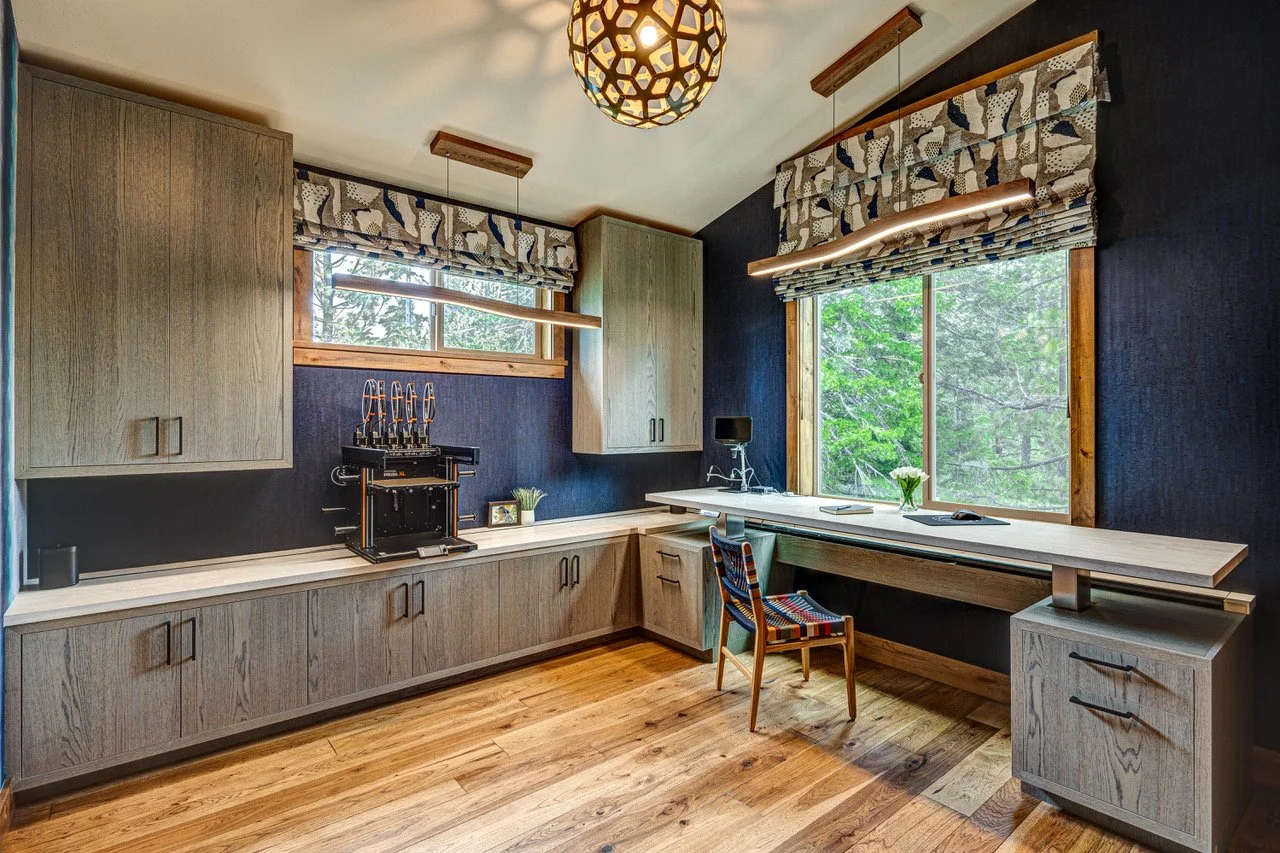
There’s a shift happening in interior design—and it’s not about trends.
It’s about how a home feels.
Clients today want spaces that are calm but elevated, modern but livable, and beautiful in a way that supports everyday life. That’s where Warm Organic + Urban Modern design—infused with biophilic and sustainable principles—has become the new standard for luxury interiors.
Why This Style Resonates Right Now
At its core, this design direction balances two worlds:
The softness and grounding of nature
The structure and confidence of modern design
It’s the sweet spot between:
soulful and architectural
relaxed and refined
natural and intentional
When layered with biophilic design (connection to nature) and wellness-focused materials, the result is more than aesthetic—it’s a home that genuinely feels better to live in.
The Design DNA: What This Look Actually Means
Think of this style as three layers working together:
Warm Organic
Natural textures
Earthy tones
Curved forms
Handmade, imperfect details
Urban Modern
Clean lines
Sculptural lighting
Negative space
A tailored, elevated edge
Biophilic + Sustainable Foundation
Natural light strategies
Healthier materials
Plants and organic references
Thoughtful, responsible sourcing
The goal is simple:
👉 a home that feels
Color Palette: Calm, Layered, and Intentional like a sanctuary—restorative, elevated, and deeply personal
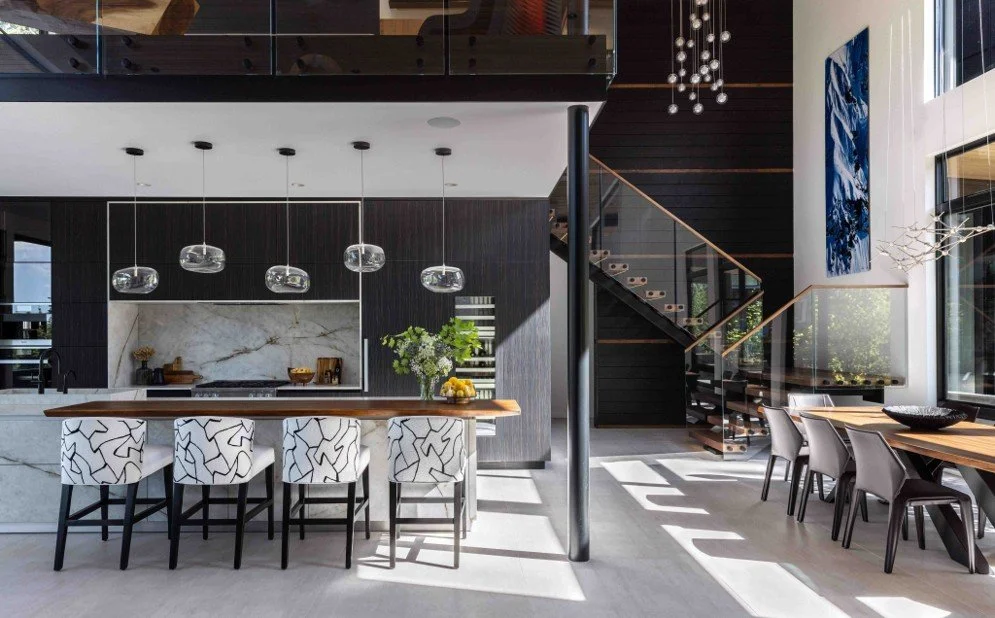
This look starts with grounded neutrals and builds contrast with purpose.
Base neutrals: creamy whites, sand, warm greige, clay
Earth tones: terracotta, cognac, olive, muted ochre
Contrast: charcoal, matte black, bronze, iron
Design tip:
Choose one anchor neutral, layer in 2–3 earth tones, and finish with a darker contrast for definition.
Materials + Texture: Where the Design Comes to Life
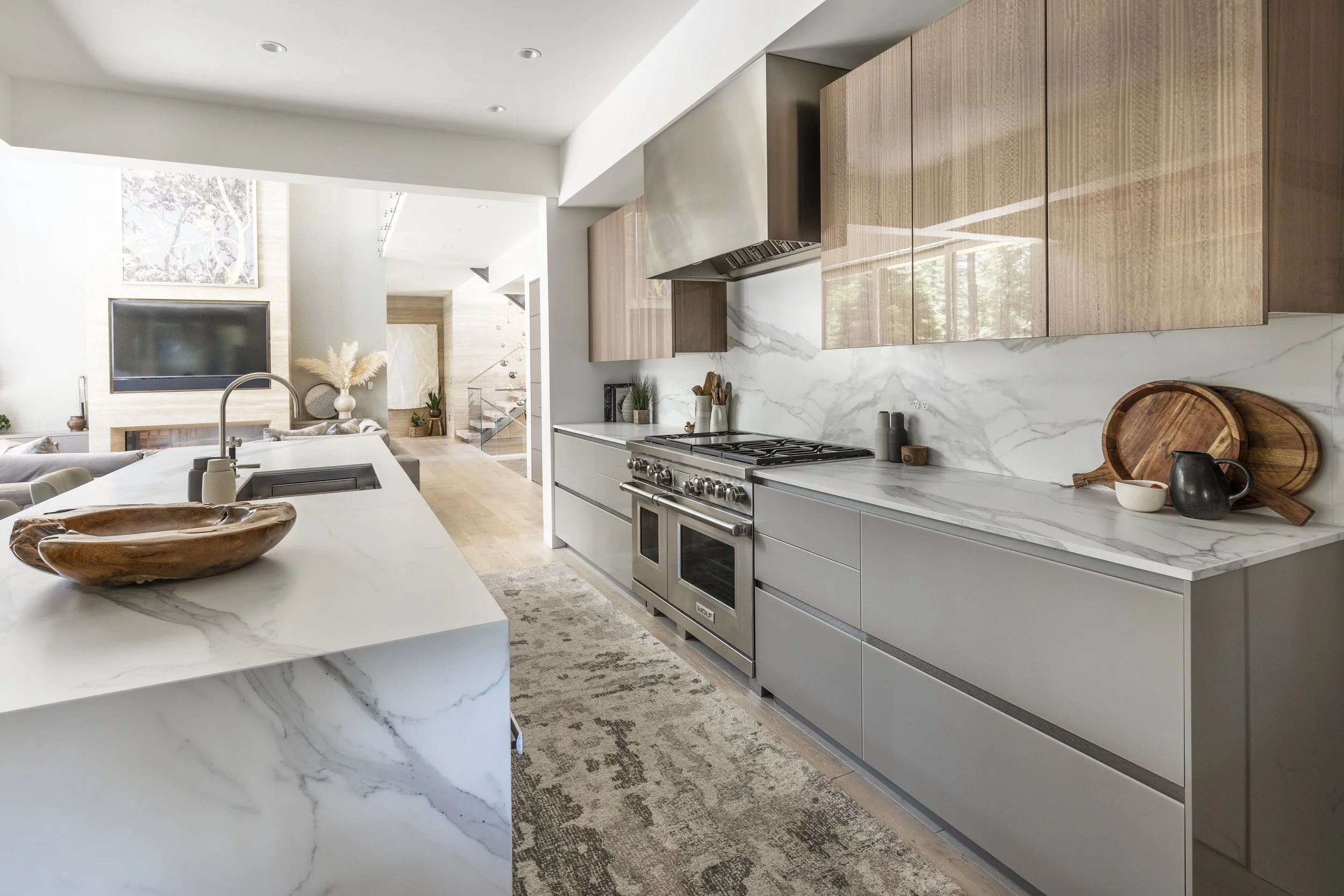
This style relies on texture—not color—to create richness.
Wood: white oak, walnut, reclaimed beams
Stone: honed marble, quartzite, soapstone
Textiles: linen, wool, bouclé, leather
Metals: blackened steel, bronze, aged finishes
Handmade elements: ceramics, plaster, woven textures
The key is restraint:
👉 fewer materials, used more intentionally
Biophilic Design: Beyond “Just Add Plants”
Biophilic design is about how a space connects to nature on a sensory level.
That can look like:
maximizing natural light
layering organic textures
orienting furniture toward views
introducing subtle natural patterns
incorporating scent, sound, and tactile materials
Even one intentional move per room can change how a space feels.
Sustainability—Done the Luxury Way
True luxury today is thoughtful.
Not more—better.
That means:
low-VOC finishes
natural, breathable materials
quality pieces that last
mixing in vintage or artisan work
designing for longevity, not replacement
This is where design shifts from aesthetic to lifestyle support.
Styling: Curated, Not Cluttered
This is where most people go wrong.
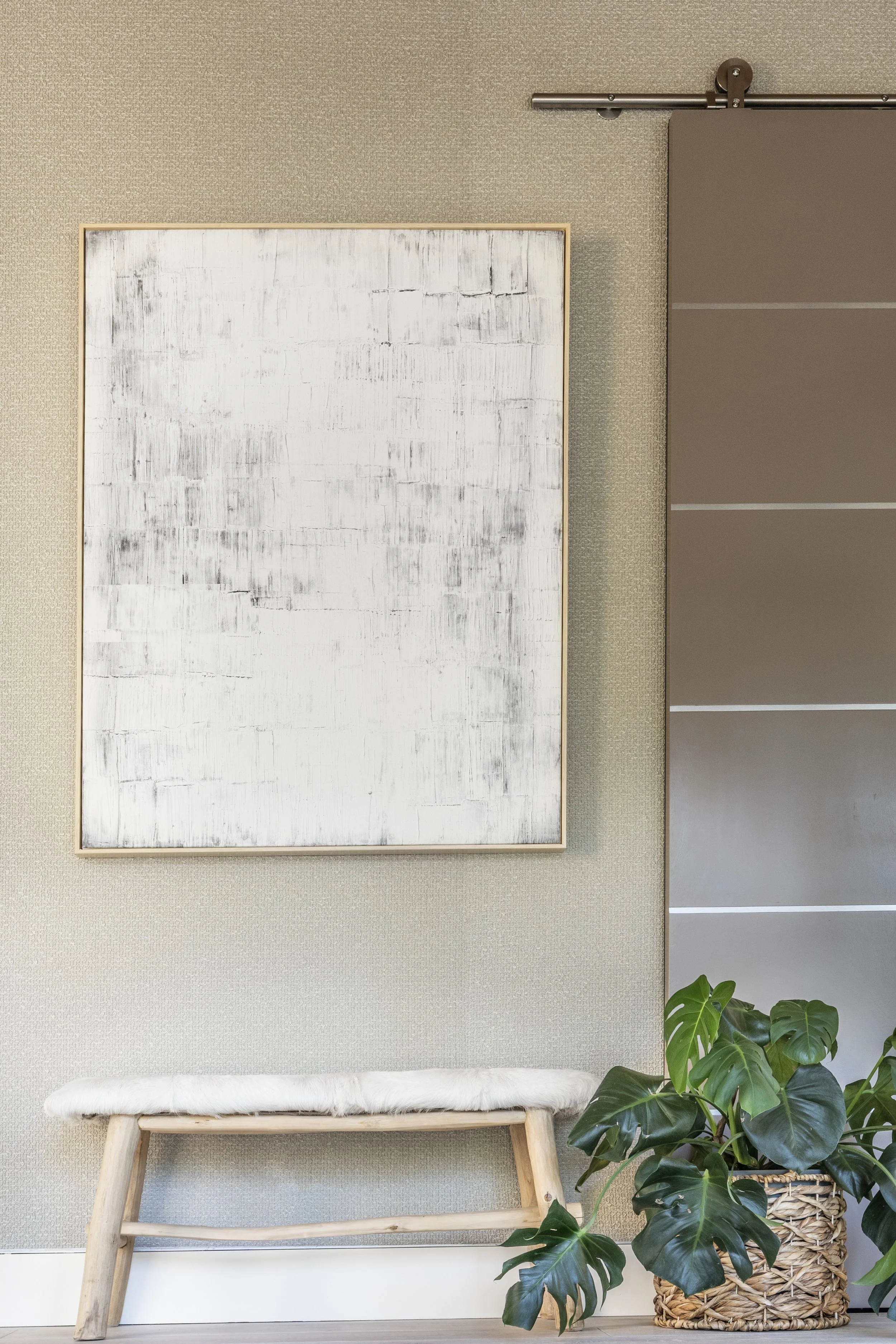
Keep surfaces edited
Mix natural objects with refined pieces
Use asymmetry for a relaxed feel
Let the space breathe
👉 The goal is collected, not decorated
Common Mistakes to Avoid
Too cold → add warmth through wood + textiles
Too beige → introduce contrast and depth
Too trendy → invest in timeless forms
Too many changes at once → start with high-impact decisions
Where to Start (Without Overwhelm)
If you’re not sure where to begin:
Choose a warm neutral base
Select 2 key materials to repeat
Add one dark contrast element
Create one biophilic moment per room
Upgrade one health-focused choice (paint, upholstery, etc.)
The Feeling You’re Designing For
At its best, this style feels like:
calm
grounded
elevated
effortless
A home that supports your life—without feeling overdesigned.
Ready to Bring This Into Your Home?
If you're building, renovating, or furnishing a home in Franklin, Nashville, or the surrounding areas, this approach can be tailored specifically to your space, your lifestyle, and your priorities.
👉 Start your projectand we’ll create a home that feels as good as it looks.
